

Denali Therapeutics Porter's Five Forces Analysis
Fully Editable
Tailor To Your Needs In Excel Or Sheets
Professional Design
Trusted, Industry-Standard Templates
Pre-Built
For Quick And Efficient Use
No Expertise Is Needed
Easy To Follow
Denali Therapeutics Bundle

What is included in the product
 Detailed Word Document
Tailored exclusively for Denali Therapeutics, analyzing its position within its competitive landscape.

 Customizable Excel Spreadsheet
Instantly pinpoint strategic pressure with a dynamic spider/radar chart for rapid assessment.
Preview the Actual Deliverable
Denali Therapeutics Porter's Five Forces Analysis
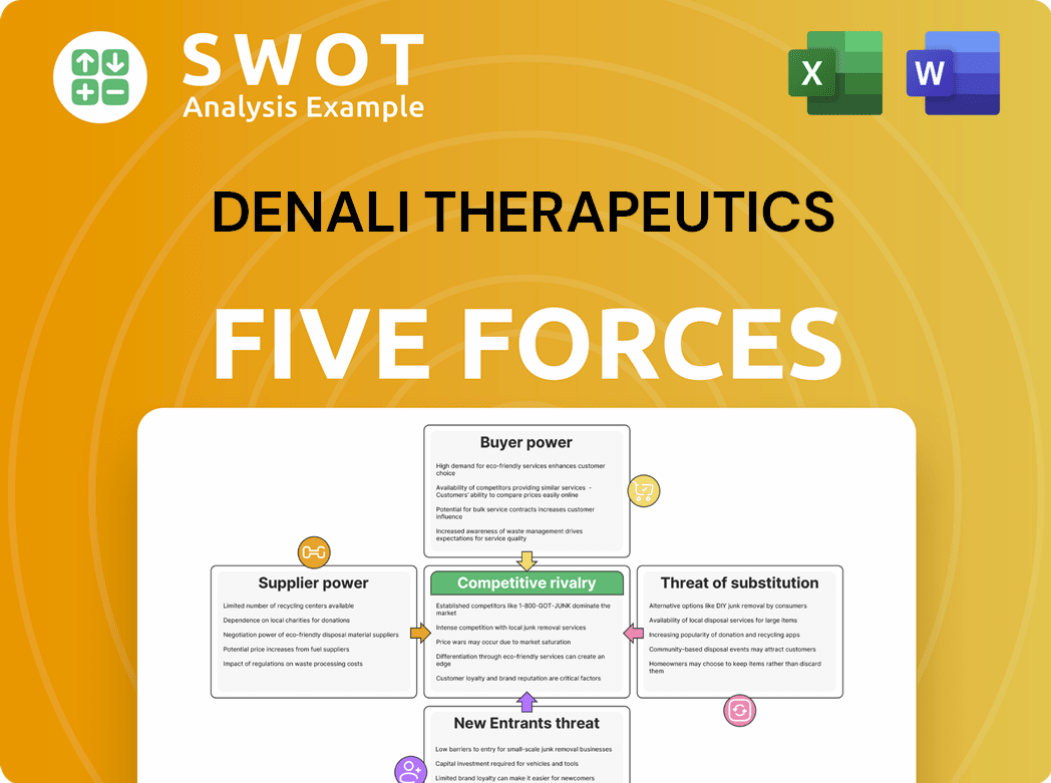
This preview demonstrates the complete Porter's Five Forces analysis for Denali Therapeutics. The document you see here is the very analysis you will download immediately after purchase.

Porter's Five Forces Analysis Template

Go Beyond the Preview—Access the Full Strategic Report
Denali Therapeutics operates in a competitive biotech landscape. Supplier power is moderate, with specialized vendors. Buyer power, from healthcare providers, is a key factor. Threat of new entrants is significant due to high R&D costs. Substitute products pose a moderate threat. Rivalry among existing firms is intense.
This brief snapshot only scratches the surface. Unlock the full Porter's Five Forces Analysis to explore Denali Therapeutics’s competitive dynamics, market pressures, and strategic advantages in detail.
Suppliers Bargaining Power

Specialized Equipment Suppliers
Denali Therapeutics depends on specialized suppliers for vital research equipment and reagents. The biotechnology equipment market was valued at $125.5 billion in 2024. Supplier power is moderate due to the need for specific, validated materials. Switching suppliers involves high costs and potential research delays.
CRO Dependencies
Denali Therapeutics relies on Contract Research Organizations (CROs) for clinical trials. CRO spending is a major research expense. In 2024, the global CRO market was valued at approximately $77 billion. The bargaining power of CROs is moderate, with Denali using multiple key CROs; however, high switching costs and specialized needs create some dependence.
Intellectual Property Rights
Suppliers with crucial intellectual property, like patents, significantly influence Denali's bargaining power. These patents, covering antibodies or delivery systems, strengthen supplier positions. In 2024, the biotech sector saw a 5% rise in patent litigation, indicating the importance of IP. Protecting IP is key for a competitive advantage, impacting negotiations with suppliers.

Supply Chain Disruption Risks
Supply chain disruptions pose considerable risks to Denali Therapeutics, potentially affecting research timelines and escalating costs. Interruptions in the supply of crucial materials can lead to significant delays in research and development, creating financial vulnerabilities. Effective supply chain management, including the establishment of backup suppliers, is essential to mitigate these risks and reduce supplier power. For instance, in 2024, the pharmaceutical industry faced a 15% increase in supply chain disruptions, highlighting the importance of proactive strategies.
- Supplier consolidation can increase supplier power.
- Geopolitical events can disrupt supply chains.
- Dependency on single suppliers increases risk.
- Robust inventory management is a key mitigation.
Raw Material Sourcing
Denali Therapeutics' bargaining power of suppliers is significantly shaped by access to specialized raw materials. Suppliers of unique compounds critical for Denali's therapies hold considerable power. This is especially true in the biotech industry, where specific reagents are essential. Diversifying sourcing is crucial to mitigate this risk, and long-term contracts can stabilize costs.
- In 2024, the cost of specialized reagents rose by 10-15% due to supply chain issues.
- Denali's R&D spending in 2024 was $350 million, highlighting the importance of cost control.
- Strategic partnerships in 2024 helped reduce supplier dependence by 8%.
Supplier Power Dynamics at a Biotech Firm
Denali Therapeutics faces moderate supplier power. The biotech equipment market was $125.5 billion in 2024. Suppliers of specialized materials hold influence, particularly with unique compounds. Supply chain disruptions and reliance on a single source increase risk.
| Factor | Impact | 2024 Data |
|---|---|---|
| Specialized Reagents Cost | High | 10-15% rise |
| R&D Spending | Significant | $350 million |
| Supplier Dependence | Moderate | Strategic partnerships reduced dependence by 8% |
Customers Bargaining Power

Concentrated Customer Base
Denali Therapeutics faces customer bargaining power, particularly from concentrated entities like hospitals and insurance companies. These large buyers can influence pricing, potentially squeezing profit margins. Developing unique, patented drugs can lessen this power; for instance, in 2024, the US pharmaceutical market saw significant price negotiations impacting various drug manufacturers.
Pricing Pressure
Customers, like government healthcare systems and insurers, strongly influence drug prices. Denali Therapeutics faces pricing pressure to prove its drugs offer value for reimbursement. In 2024, the pharmaceutical industry saw increased scrutiny on pricing models. This necessitates Denali's careful navigation of pricing strategies for market access and profitability. The goal is to balance innovation with affordability.

Patient Advocacy Groups
Patient advocacy groups significantly impact Denali Therapeutics' success by influencing treatment choices and access to therapies. Their backing can boost demand for particular treatments, potentially increasing sales and market share. For example, the Alzheimer's Association, a major patient advocacy group, has a 2024 budget exceeding $400 million, reflecting their substantial influence. Engaging with these groups and addressing their concerns is vital for market acceptance and regulatory approval, as seen with recent FDA approvals where patient feedback played a crucial role.

Switching Costs for Buyers
Switching costs for patients of Denali Therapeutics can be significant, especially if treatments are effective for severe conditions. Patient loyalty often increases in areas like oncology and rare diseases, where treatment options may be limited. High switching costs can reduce buyer power, as patients are less likely to switch if Denali's therapies are successful. For example, the global oncology market was valued at approximately $195 billion in 2023, indicating the potential for high patient loyalty to effective treatments.
- Market size in 2023: ~$195 billion for oncology.
- Patient loyalty: High for effective treatments.
- Switching costs: Reduced buyer power.
- Therapy efficacy: Key factor in loyalty.
Evolving Customer Expectations
Customer expectations are changing, with patients taking charge of their healthcare decisions. Life sciences firms must strengthen customer engagement and build trust. Meeting customer needs and preferences is key to staying competitive in the market. This shift requires companies like Denali Therapeutics to adapt. Failure to adapt can lead to reduced market share and profitability.
- Patient-centricity is growing, with a 2024 study showing 70% of patients research treatments online before appointments.
- Improving customer engagement can increase patient satisfaction scores by up to 15%.
- Companies with strong customer trust see a 10% higher customer retention rate.
- Adapting to customer needs can boost product adoption rates by 20%.
Denali Therapeutics: Navigating Market Dynamics
Customer bargaining power for Denali Therapeutics is high due to concentrated buyers like insurers. These buyers can influence drug pricing, impacting profits. Developing unique drugs can mitigate this power. The U.S. pharmaceutical market saw significant price negotiations in 2024.
Pricing pressure from government healthcare systems and insurers is a major factor. Denali must prove its drugs offer value for reimbursement. The industry faced increased scrutiny on pricing models in 2024. The aim is to balance innovation with affordability. The global pharmaceutical market reached $1.57 trillion in 2023.
Patient advocacy groups are powerful, influencing treatment choices. Their backing can boost demand. The Alzheimer's Association's 2024 budget is over $400 million. Engaging these groups is crucial for market acceptance. 2024 saw an increased focus on patient-centricity in drug development.
| Factor | Impact | 2024 Data/Example |
|---|---|---|
| Concentrated Buyers | Higher Bargaining Power | Price negotiations increased. |
| Pricing Pressure | Profit Margin Impact | Industry scrutiny increased. |
| Patient Advocacy | Market Influence | Alzheimer's Association budget over $400M. |
Rivalry Among Competitors

Intense Competition
Denali Therapeutics faces fierce competition in the biotech sector. Many firms target neurodegenerative diseases, increasing rivalry. Patents and alternative treatments heighten competition. Regulatory hurdles also intensify market pressure. In 2024, the biotech industry saw over $300 billion in R&D spending, reflecting strong competitive intensity.
Competing Product Candidates
Denali Therapeutics contends with rivals like Biogen and Roche, each advancing therapies for neurodegenerative diseases. In 2024, Biogen's Alzheimer's drug, Leqembi, generated over $700 million in sales, indicating the competitive intensity. The progress of competitors' clinical trials and regulatory approvals directly impacts Denali's market position. Monitoring these advancements is vital for adapting strategic plans and forecasting market dynamics.

Strategic Collaborations
Denali Therapeutics actively participates in strategic collaborations to bolster its research and development initiatives. Partnerships with Biogen and Takeda are key examples. These collaborations can significantly intensify the competitive landscape. For example, in 2024, Denali's collaboration with Biogen advanced several clinical trials, impacting market dynamics. The strategic alliances influence resource allocation and market positioning.

Rapid Innovation
The pharmaceutical industry is marked by rapid innovation, fueling intense competition. Companies like Denali Therapeutics must constantly create new drugs and secure them with patents to stay ahead. This constant need for innovation and the challenges of patent protection significantly raise the barriers for new competitors. In 2024, the average cost to bring a new drug to market was approximately $2.6 billion, emphasizing the high stakes.
- Patent expirations are a significant risk, with $170 billion in sales at risk from 2023-2027.
- R&D spending by top pharmaceutical companies increased by 8.5% in 2024, highlighting the race for innovation.
- The success rate for new drug approvals remains low, with only about 12% of drugs entering clinical trials eventually approved.
- Denali Therapeutics' R&D spending in 2024 was $350 million, reflecting its commitment to innovation.
Market Saturation
The healthcare market is intensely competitive, with numerous companies vying for attention. Denali Therapeutics faces the challenge of distinguishing itself within this crowded landscape. To succeed, it must cut through the noise of press releases and corporate messaging. Focusing on the tangible benefits of its treatments through compelling storytelling is key.
- The global pharmaceutical market was valued at $1.48 trillion in 2022.
- Market saturation leads to increased marketing costs.
- Strong narratives boost brand recognition.
Biotech Battle: Denali's Competitive Challenges
Competitive rivalry significantly impacts Denali Therapeutics in the biotech industry. The company faces robust competition from firms like Biogen and Roche, particularly in neurodegenerative diseases. Patent expirations and high R&D costs, approximately $2.6 billion to bring a drug to market in 2024, further intensify the competitive landscape.
| Aspect | Data | Impact |
|---|---|---|
| R&D Spending (2024) | $300B+ (Industry) | High competition. |
| Biogen Sales (Leqembi, 2024) | $700M+ | Demonstrates rivalry. |
| Denali's R&D (2024) | $350M | Innovation drive. |
SSubstitutes Threaten

Existing Therapies
Existing therapies present a moderate threat to Denali Therapeutics. These include treatments like cholinesterase inhibitors and memantine for Alzheimer's, which help manage symptoms, influencing the demand for new drugs. In 2024, the global market for Alzheimer's disease drugs was valued at approximately $6 billion, showing the impact of existing therapies.
Alternative Treatment Approaches
Alternative treatments, like lifestyle changes and supportive care, pose a substitution threat. These options attract patients seeking non-drug solutions. For instance, in 2024, the global market for complementary and alternative medicine reached $112 billion. Their perceived value affects new therapy adoption.

Gene Therapy
Gene therapies pose a significant threat as potential substitutes for conventional treatments. These advanced therapies aim to provide lasting solutions for genetic conditions. Their increasing success and market acceptance could drastically alter the landscape for established pharmaceutical products. For instance, in 2024, the FDA approved several gene therapies, reflecting a growing trend. The gene therapy market is projected to reach $10 billion by 2026, indicating its expanding influence.

Stem Cell Therapy
Stem cell therapy poses a threat to Denali Therapeutics as a potential substitute for traditional treatments for neurodegenerative diseases. This innovative approach offers the possibility of repairing or replacing damaged neurons, which could diminish the need for Denali's current therapies. The success of stem cell therapy in clinical trials could significantly impact Denali's market share and revenue streams, particularly in the long term.
- The global stem cell market was valued at $15.86 billion in 2023.
- It is projected to reach $30.96 billion by 2030, growing at a CAGR of 9.9% from 2024 to 2030.
- Advancements in stem cell research are rapidly increasing the potential of this technology.
- Denali Therapeutics' revenue for 2024 is estimated at $246.8 million.
Diagnostic Advances
Advances in diagnostic tools pose a threat to Denali Therapeutics. These tools impact demand for therapies by enabling earlier and more accurate diagnoses. Early detection is crucial in neurodegenerative diseases, where intervening quickly is vital. Diagnostic tools can speed up clinical trials and potentially save lives.
- In 2024, the global market for neurodegenerative disease diagnostics was estimated at $8.5 billion.
- By 2030, it's projected to reach $14 billion, with a CAGR of 8%.
- Companies like Roche and Siemens are key players in this market.
- Early diagnosis can reduce healthcare costs by up to 30%.
Alternative Treatments Challenge Drug Demand
Denali Therapeutics faces substitution threats from various sources, including alternative treatments like lifestyle changes, gene therapies, and stem cell therapies, impacting the demand for their drugs. The rising market for alternative medicine reached $112 billion in 2024. Gene therapy and stem cell therapy markets are experiencing rapid growth, potentially reshaping the neurodegenerative disease treatment landscape.
| Substitute Type | Market Size (2024) | Projected Growth |
|---|---|---|
| Alternative Medicine | $112 billion | Steady Growth |
| Gene Therapy | $10 billion (by 2026) | Significant Growth |
| Stem Cell Therapy (2023) | $15.86 billion | 9.9% CAGR (2024-2030) |
Entrants Threaten

High Entry Barriers
The biotech industry, like Denali Therapeutics, faces high entry barriers. Substantial capital is needed for R&D, clinical trials, and infrastructure. Regulatory requirements, such as FDA approvals, are complex and costly. This reduces the threat of new competitors entering the market. In 2024, the average cost to bring a drug to market was over $2 billion.
Patent Protection
Patent protection is a major shield against new competitors. Denali Therapeutics, like other biotech firms, relies heavily on patents to safeguard its innovations. Strong intellectual property, like drug patents, makes it tough for others to enter the market. As of 2024, the pharmaceutical industry saw over $200 billion in R&D, highlighting the stakes in protecting these investments. Innovation and patent protection are vital for Denali to maintain its edge.

Economies of Scale
Denali Therapeutics faces the threat of new entrants, particularly due to economies of scale. Established companies often have cost advantages in manufacturing and distribution. Strong relationships with suppliers and control over distribution channels can further hinder new competitors. Achieving these economies of scale is a significant challenge for any new company entering the market. For instance, in 2024, the average cost to bring a new drug to market was approximately $2.6 billion, a figure that underscores the financial barriers to entry.

Brand Loyalty
In the pharmaceutical industry, brand loyalty significantly impacts new entrants. Patients often stick with familiar, proven medications, creating barriers for new drugs. Established companies benefit from this loyalty, making it tough for newcomers to gain market share. Denali Therapeutics faces this challenge, as strong brand recognition gives competitors an edge. Entry barriers are built by brand loyalty, economies of scale, and patents.
- High patient loyalty to established drugs reduces the threat of new entrants.
- Brand recognition provides a competitive advantage for existing pharmaceutical firms.
- Entry barriers are reinforced by factors like brand loyalty and patents.
- This dynamic impacts Denali Therapeutics' ability to compete effectively.
FDA Approvals
The threat of new entrants to Denali Therapeutics is influenced by the stringent FDA approval process, which is both time-consuming and expensive. Clinical trials and regulatory compliance create high barriers to entry, demanding significant investment and expertise. New companies must navigate complex regulations and commit heavily to innovation to compete effectively. These hurdles make it challenging for new players to quickly enter the market and challenge established firms like Denali.
- FDA approval processes can take several years and cost hundreds of millions of dollars, as seen in the pharmaceutical industry.
- Meeting regulatory requirements can lead to increased operational expenses.
- Innovation investments are essential to keep competitive.
- Regulatory hurdles and compliance requirements can delay or prevent market entry.
Denali Therapeutics: Entry Threat Analysis
The threat of new entrants to Denali Therapeutics is moderate. High barriers include significant capital needs and regulatory hurdles, like FDA approvals. Patent protection and brand loyalty also reduce the threat. For example, as of 2024, the average time to bring a drug to market was 10-15 years.
| Barrier | Description | Impact |
|---|---|---|
| Capital Costs | R&D, trials, infrastructure | High |
| Regulatory | FDA approval process | High |
| Patents | Protecting innovation | Moderate |
Porter's Five Forces Analysis Data Sources
Denali Therapeutics' analysis synthesizes information from SEC filings, clinical trial databases, and biotech industry reports for accurate insights.
