

Formosa Petrochemical Bundle

How did Formosa Petrochemical Company become a global petrochemical powerhouse?
Formosa Petrochemical Corporation (FPCC) is a significant player in Taiwan's petrochemical industry, and its story is one of strategic vision and remarkable growth. Founded in 1992 as part of the Formosa Plastics Group, FPCC embarked on a journey to create a vertically integrated petrochemical operation. This move significantly boosted Taiwan's self-sufficiency in essential raw materials.

From its humble beginnings, FPCC has transformed into a global leader, impacting the Formosa Petrochemical SWOT Analysis. This article delves into the brief history of Formosa Petrochemical Company, tracing its evolution from a domestic supplier to a major international force. We'll explore key milestones, including its refining capacity and the pivotal role it plays in the petrochemical industry, offering a comprehensive company profile.
What is the Formosa Petrochemical Founding Story?
The Formosa Petrochemical Company (FPC) officially began on April 6, 1992. It was a key part of the Formosa Plastics Group, founded by Wang Yung-ching. The establishment of FPC was a strategic move to integrate operations within the group's existing petrochemical businesses.
The main goal was to solve Taiwan's dependence on imported naphtha for its petrochemical industry. This dependence caused supply issues and price changes. The solution was to build a large, integrated complex for refining and petrochemicals. This would ensure a steady and affordable supply of materials for the group's manufacturing.
The business plan focused on refining crude oil and producing basic petrochemicals. These included olefins (like ethylene and propylene) and aromatics (like benzene and toluene). These products would then be used by other Formosa Plastics Group companies. This created a strong synergy, boosting the group's overall competitiveness.

Key Aspects of FPC's Founding
The initial funding came from the Formosa Plastics Group's financial resources and investments. This showed that the venture was well-funded and strategically aligned from the start. The establishment of FPC was influenced by Taiwan's economic situation in the late 20th century. There was a push for greater industrial self-reliance and the development of advanced manufacturing.
- FPC history began with the goal of ensuring a stable supply of raw materials.
- The company aimed to reduce Taiwan's reliance on imported naphtha.
- The business model focused on refining crude oil and producing key petrochemicals.
- The Formosa Plastics Group provided the initial financial backing.
As of recent reports, the Formosa Petrochemical Company has a significant refining capacity. According to industry data from early 2024, the company's refining capacity is approximately 600,000 barrels per day. This positions it as a major player in the global refining market. For more insights into the ownership structure and key stakeholders, you can explore Owners & Shareholders of Formosa Petrochemical.
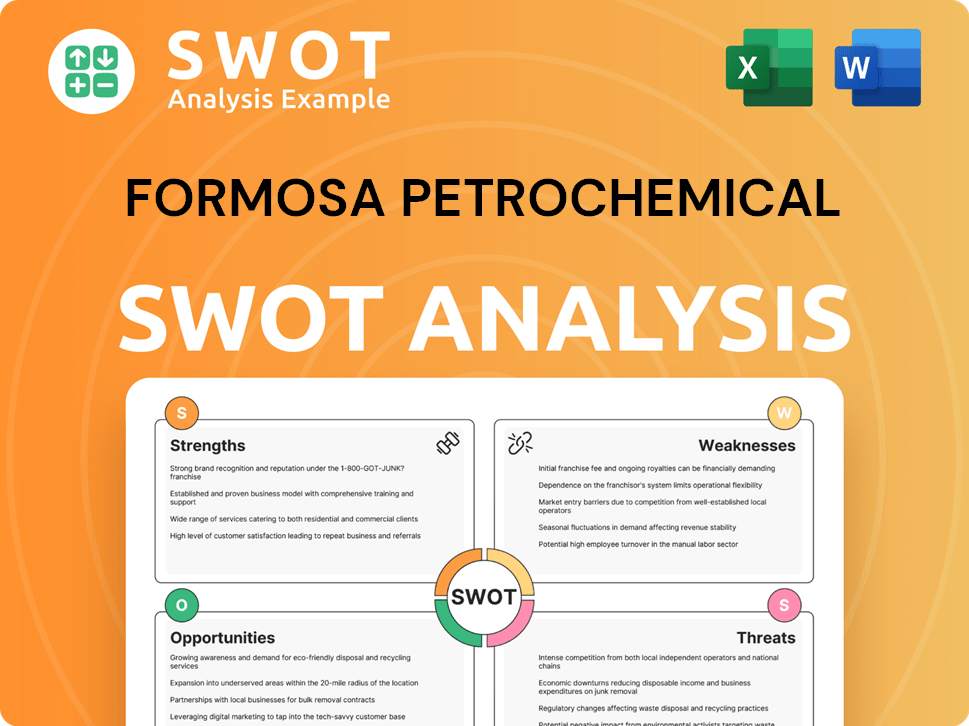
Formosa Petrochemical SWOT Analysis
- Complete SWOT Breakdown
- Fully Customizable
- Editable in Excel & Word
- Professional Formatting
- Investor-Ready Format
What Drove the Early Growth of Formosa Petrochemical?
The early growth of the Formosa Petrochemical Company (FPC) was marked by the ambitious construction and operationalization of its Mailiao refinery and naphtha cracker complex. This initiative solidified its vertically integrated model, a key aspect of its strategy. This period saw the launch of its primary products, including gasoline, diesel, and petrochemical building blocks. This expansion transformed FPC from an internal supplier to a major market player.
 Refinery and Cracker Complex
The Mailiao refinery commenced operations in 1999, followed by the naphtha cracker units. This complex, located in Yunlin County, Taiwan, became the central hub for all operations. The initial focus was on meeting the internal demands of the Formosa Plastics Group (FPG), ensuring a captive market.
Product Launch and Market Entry
FPC's initial product offerings included various grades of gasoline, diesel, jet fuel, and petrochemical building blocks like ethylene and propylene. The company's entry into new markets was driven by increasing production scale. This strategic move allowed FPC to serve external clients, both domestically and internationally.
Team and Infrastructure Expansion
The team expansion focused on engineering, refinery operations, and petrochemical production specialists. This involved leveraging expertise from within the FPG and attracting top industry talent. The Mailiao complex housed refining units, cracker facilities, and associated logistics infrastructure.
Financial and Market Dynamics
Significant capital raises and investments funded the continuous expansion and technological upgrades of its facilities. Market reception was strong, with FPC providing a reliable supply of essential petrochemicals. The competitive landscape included established global players, but FPC's integrated model provided a distinct advantage. To learn more about the company's growth, consider reading about the Marketing Strategy of Formosa Petrochemical.
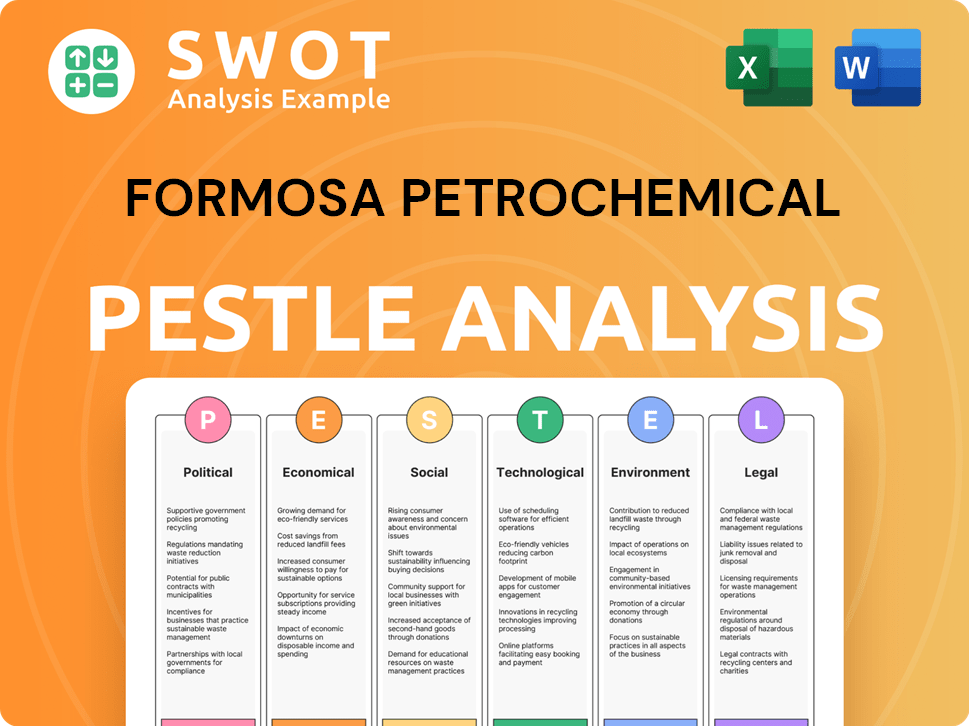
Formosa Petrochemical PESTLE Analysis
- Covers All 6 PESTLE Categories
- No Research Needed – Save Hours of Work
- Built by Experts, Trusted by Consultants
- Instant Download, Ready to Use
- 100% Editable, Fully Customizable
What are the key Milestones in Formosa Petrochemical history?
Throughout its history, Formosa Petrochemical Company (FPC) has achieved significant milestones, shaping its growth within the petrochemical industry. A key aspect of the FPC history includes its expansion and its influence on the Taiwanese economy.
| Year | Milestone |
|---|---|
| 1992 | Establishment of Formosa Petrochemical Company as a subsidiary of Formosa Plastics Group. |
| 1999 | Completion of the Mailiao complex, including a refinery and naphtha crackers, marking a major expansion in refining capacity. |
| 2000s | Continuous investment in technological advancements and expansion of production capacity to meet growing global demand. |
| 2010s | Focus on diversifying product portfolios and expanding international market reach, including a significant presence in Asia. |
Formosa Petrochemical Company has consistently pursued innovations to enhance its operational efficiency and reduce its environmental impact. These innovations have been crucial for maintaining its competitive edge in the petrochemical industry.

Integrated Complex Design
The Mailiao complex's integrated design, which combines refining and petrochemical production, is a major innovation. This integration optimizes resource utilization and reduces operational costs.
Technological Advancements in Refining
FPC has consistently invested in advanced refining technologies. These technologies improve the efficiency of converting crude oil into valuable products.
Process Optimization
Continuous optimization of production processes has led to higher yields and reduced waste. This focus on efficiency helps maintain profitability.
Smart Manufacturing
Implementation of smart manufacturing techniques, including automation and data analytics, enhances operational resilience. This allows for better real-time monitoring and control of operations.
Product Diversification
Diversifying the product portfolio to include higher-value-added chemicals is a key strategy. This diversification helps to mitigate risks associated with market fluctuations.
Environmental Technologies
Investment in environmental technologies to reduce emissions and improve sustainability is ongoing. This includes adopting cleaner production methods and investing in waste management.
Formosa Petrochemical Company has faced several challenges, including volatile market conditions and environmental concerns. These challenges have shaped its strategic direction and operational practices.
Market Volatility
Fluctuations in crude oil prices and demand for petrochemical products directly impact profitability. The company is constantly adapting to changing market dynamics.
Environmental Regulations
Stringent environmental regulations and public scrutiny regarding emissions and safety pose significant challenges. Compliance requires continuous investment and operational adjustments.
Operational Safety
Incidents related to operational safety have led to rigorous internal reviews and system enhancements. This includes improving safety protocols and employee training.
Economic Downturns
Economic downturns and global recessions can significantly reduce demand for petrochemical products. Strategic planning is essential to navigate these periods.
Geopolitical Risks
Geopolitical instability and trade disputes can disrupt supply chains and affect market access. Diversifying markets and suppliers is a key strategy.
Technological Disruptions
The emergence of new technologies and alternative materials can challenge traditional petrochemical products. Adapting to these changes requires continuous innovation.
For further insights into the strategic approaches of Formosa Petrochemical Company, consider reading about the Growth Strategy of Formosa Petrochemical.
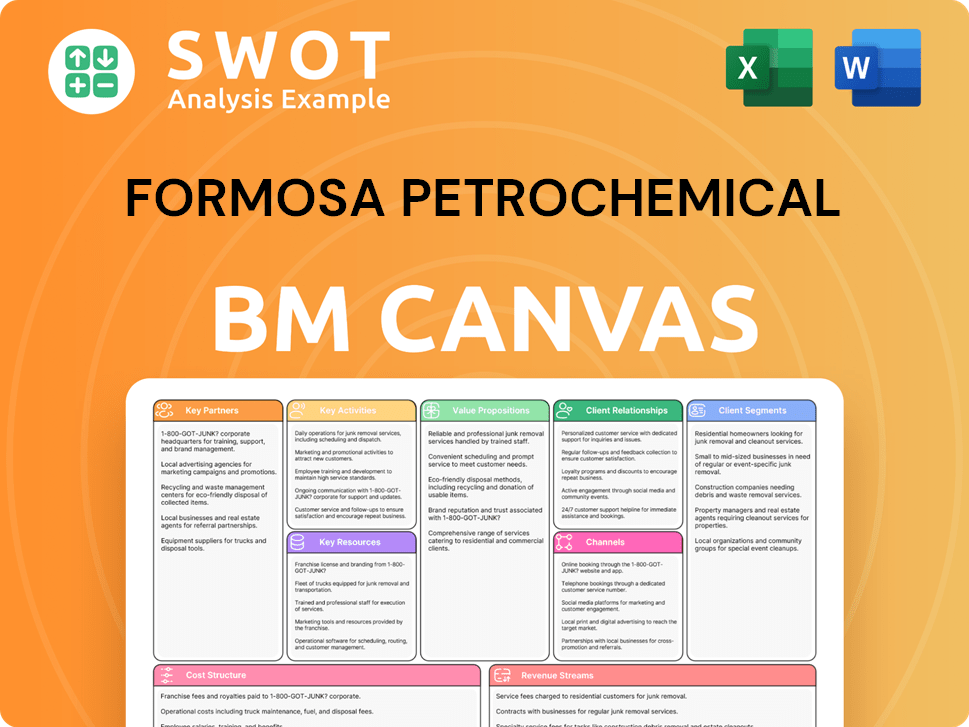
Formosa Petrochemical Business Model Canvas
- Complete 9-Block Business Model Canvas
- Effortlessly Communicate Your Business Strategy
- Investor-Ready BMC Format
- 100% Editable and Customizable
- Clear and Structured Layout
What is the Timeline of Key Events for Formosa Petrochemical?
The following outlines the significant milestones in the history of Formosa Petrochemical Company (FPC), a key player in the petrochemical industry, detailing its evolution from inception to its current standing within the Formosa Plastics Group. Examining the FPC history offers insights into the growth of a major Taiwanese company and its impact on the global refining and petrochemicals market.
| Year | Key Event |
|---|---|
| 1992 | Formosa Petrochemical Company was established as a subsidiary of the Formosa Plastics Group. |
| 1994 | The Mailiao complex construction began in Taiwan, marking a significant investment in refining and petrochemical production. |
| 1999 | The first phase of the Mailiao complex was completed, significantly increasing FPC's refining capacity. |
| 2000s | FPC expanded its operations, increasing production capacity and diversifying its product portfolio. |
| 2010s | The company continued to invest in technology and infrastructure, focusing on efficiency and environmental sustainability. |
| 2020s | FPC continues to operate and expand its global presence, adapting to market changes and technological advancements. |
Expanding Refining Capacity
FPC is likely to further expand its refining capacity to meet the growing demand for petrochemical products, especially in Asia. This expansion might involve upgrading existing facilities or constructing new ones, possibly increasing its capacity by approximately 10% over the next five years. This strategic move is critical for maintaining its competitive edge and capitalizing on market opportunities. The company's refining capacity is currently estimated at around 1.2 million barrels per day.
Focus on Sustainability
FPC will likely increase its focus on sustainable practices and environmental initiatives. This includes investing in cleaner production technologies and reducing its carbon footprint. The company may also explore renewable energy sources to power its operations, potentially reducing its emissions by 15% by 2030. This focus aligns with global trends and regulations, ensuring long-term viability.
Geographic Expansion
Formosa Petrochemical Company may explore opportunities to expand its global presence through strategic partnerships and investments in key markets. This could involve establishing new production facilities or acquiring existing assets in regions with high growth potential. This expansion strategy aims to diversify its revenue streams and reduce its reliance on any single market. For further insights, consider exploring the Competitors Landscape of Formosa Petrochemical.
Technological Advancements
The company will likely invest in advanced technologies to improve operational efficiency and product quality. This includes implementing digital transformation initiatives, such as automation and data analytics, to optimize its processes. These advancements will help FPC maintain its competitive advantage and adapt to evolving market demands. Investments in R&D are expected to increase by 8% in the next three years.
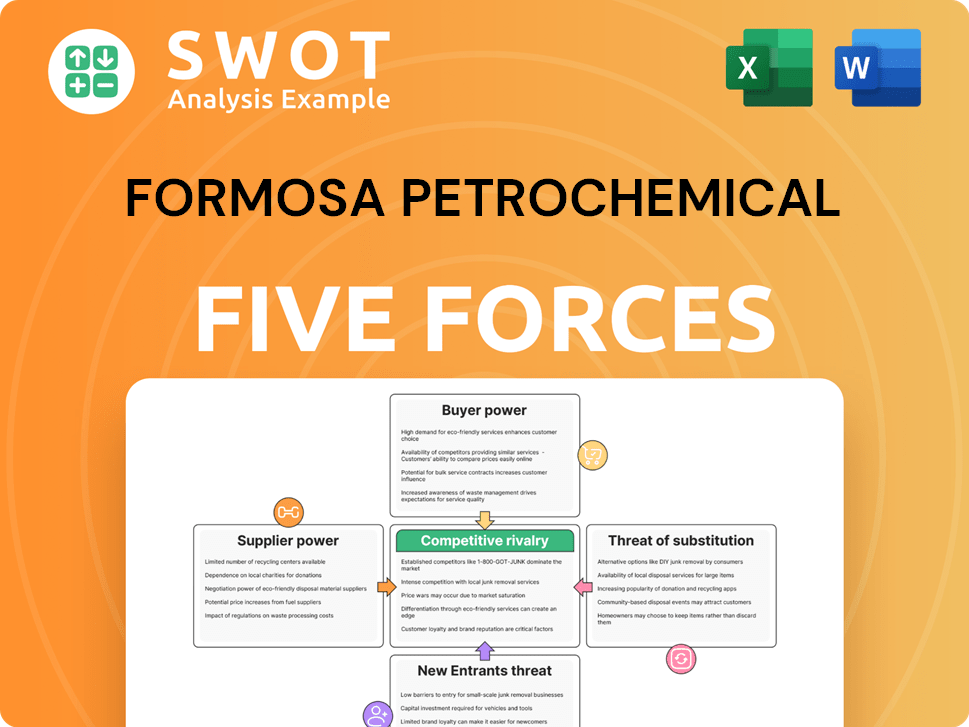
Formosa Petrochemical Porter's Five Forces Analysis
- Covers All 5 Competitive Forces in Detail
- Structured for Consultants, Students, and Founders
- 100% Editable in Microsoft Word & Excel
- Instant Digital Download – Use Immediately
- Compatible with Mac & PC – Fully Unlocked
Related Blogs

- What is Competitive Landscape of Formosa Petrochemical Company?
- What is Growth Strategy and Future Prospects of Formosa Petrochemical Company?
- How Does Formosa Petrochemical Company Work?
- What is Sales and Marketing Strategy of Formosa Petrochemical Company?
- What is Brief History of Formosa Petrochemical Company?
- Who Owns Formosa Petrochemical Company?
- What is Customer Demographics and Target Market of Formosa Petrochemical Company?
Disclaimer
All information, articles, and product details provided on this website are for general informational and educational purposes only. We do not claim any ownership over, nor do we intend to infringe upon, any trademarks, copyrights, logos, brand names, or other intellectual property mentioned or depicted on this site. Such intellectual property remains the property of its respective owners, and any references here are made solely for identification or informational purposes, without implying any affiliation, endorsement, or partnership.
We make no representations or warranties, express or implied, regarding the accuracy, completeness, or suitability of any content or products presented. Nothing on this website should be construed as legal, tax, investment, financial, medical, or other professional advice. In addition, no part of this site—including articles or product references—constitutes a solicitation, recommendation, endorsement, advertisement, or offer to buy or sell any securities, franchises, or other financial instruments, particularly in jurisdictions where such activity would be unlawful.
All content is of a general nature and may not address the specific circumstances of any individual or entity. It is not a substitute for professional advice or services. Any actions you take based on the information provided here are strictly at your own risk. You accept full responsibility for any decisions or outcomes arising from your use of this website and agree to release us from any liability in connection with your use of, or reliance upon, the content or products found herein.