

United Parcel Service Bundle

How Does UPS Dominate the Logistics Game?
In a world increasingly reliant on swift and reliable delivery, United Parcel Service (UPS) has masterfully crafted a sales and marketing strategy that keeps it at the forefront. From its humble beginnings as a messenger service, UPS has evolved into a global powerhouse, constantly adapting to the ever-changing demands of the market. Understanding the intricacies of UPS's approach is crucial for anyone seeking insights into effective brand building and customer engagement.

This article explores the evolution of United Parcel Service SWOT Analysis, from its initial focus on ground delivery to its current comprehensive suite of supply chain solutions. We'll examine the UPS sales strategy and UPS marketing strategy, dissecting its diverse sales channels, innovative marketing tactics, and strategic brand positioning within a dynamic market. Discover how UPS leverages its UPS business model and UPS competitive advantage to maintain its leadership position through effective UPS market analysis and strategic campaigns.
How Does United Parcel Service Reach Its Customers?
The sales channels of the company are designed to reach a diverse customer base, including large enterprises, small and medium-sized businesses (SMBs), and individual consumers. Their strategy combines online and offline channels to provide comprehensive shipping, tracking, and account management services. The company's approach has evolved, especially with the rise of e-commerce, leading to significant investments in digital capabilities to ensure a seamless experience across all touchpoints.
A key component of the company's digital presence is its website, which serves as a primary e-commerce platform. This is complemented by a mobile app, offering convenience for on-the-go shipping needs. For businesses, it provides integrated shipping solutions through APIs and partnerships with e-commerce platforms. Offline channels include physical retail locations like Customer Centers and authorized shipping outlets. These locations offer drop-off and pick-up services, packaging supplies, and expert advice.
Direct sales teams play a crucial role in securing and managing relationships with large corporate clients. This approach is vital for high-volume business and complex supply chain management contracts. The company has expanded its access points, including Access Point locations at third-party retailers, which numbered over 100,000 globally by late 2023, enhancing its delivery network.
 Digital Platforms and E-commerce Integration
The company's website and mobile app are central to its digital strategy, providing e-commerce capabilities for shipping and account management. They offer integrated shipping solutions through APIs and partnerships with e-commerce platforms. This allows businesses to seamlessly incorporate services into their systems, enhancing efficiency and customer experience.
Physical Retail Network
The company maintains a vast network of physical retail locations, including Customer Centers and authorized shipping outlets. These locations provide convenient drop-off and pick-up services, packaging supplies, and expert advice. The company's retail presence is essential for serving both SMBs and individual consumers, offering a variety of business services.
Direct Sales and Corporate Accounts
Direct sales teams focus on securing and managing relationships with large corporate clients, offering customized logistics solutions. This approach is vital for high-volume business and complex supply chain management contracts. These teams are crucial for maintaining and growing the company's presence in the corporate sector.
Strategic Partnerships and Expansion
The company has expanded its reach through strategic partnerships with major e-commerce platforms and retailers. They have focused on expanding access points, including Access Point locations at third-party retailers. These partnerships and expansions contribute significantly to the company's market share and service accessibility.
The evolution of the company's sales channels reflects the changing market dynamics, particularly the growth of e-commerce. The company's digital capabilities have been enhanced to provide an omnichannel experience, ensuring consistency and convenience across all touchpoints. Key partnerships have further expanded the company's reach and market share. For more insights into the company's target customer base, consider reading about the Target Market of United Parcel Service.

Key Elements of the Sales Strategy
The company's sales strategy is built on a combination of digital platforms, a vast physical retail network, direct sales teams, and strategic partnerships. This approach ensures a comprehensive reach across various customer segments and markets. The focus is on providing seamless, convenient, and integrated services to meet the evolving needs of businesses and consumers.
- Digital platforms, including the website and mobile app, provide e-commerce capabilities.
- A vast physical retail network offers convenient drop-off and pick-up services.
- Direct sales teams manage relationships with large corporate clients.
- Strategic partnerships expand reach and market share.
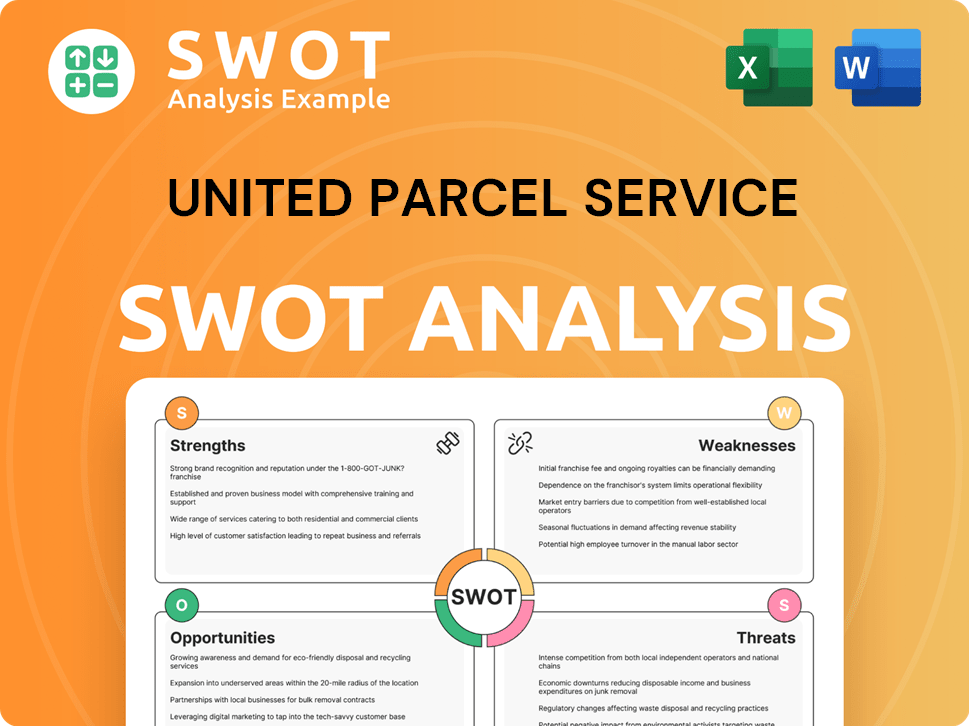
United Parcel Service SWOT Analysis
- Complete SWOT Breakdown
- Fully Customizable
- Editable in Excel & Word
- Professional Formatting
- Investor-Ready Format
What Marketing Tactics Does United Parcel Service Use?
The marketing tactics of United Parcel Service (UPS) encompass a multifaceted approach, blending digital innovation with traditional methods to enhance brand awareness, generate leads, and boost sales across diverse customer segments. This strategy is crucial for maintaining its competitive edge in the logistics industry. UPS's ability to adapt and innovate in its marketing efforts is essential for reaching its target audience effectively.
UPS leverages a comprehensive marketing strategy that includes content marketing, search engine optimization (SEO), paid advertising, and customer relationship management (CRM) through email marketing. They also utilize influencer partnerships and social media to build brand recognition and engage with customers. This integrated approach ensures that UPS can effectively communicate its value proposition and reach a wide audience.
The company's marketing mix prioritizes digital channels and personalized communication, reflecting evolving media consumption habits and the increasing importance of data-driven strategies. This approach allows UPS to deliver highly relevant content and offers, whether it's for small businesses or large corporations. This strategy is vital for maintaining its position in the market.

Content Marketing
UPS regularly publishes thought leadership articles, case studies, and whitepapers on its website and through industry publications. These address topics such as supply chain resilience, global trade, and e-commerce trends. This content aims to establish UPS as an industry expert and attract potential customers.
Search Engine Optimization (SEO)
SEO is critical for ensuring high visibility in search results for shipping and logistics queries. By optimizing its online presence, UPS aims to capture organic traffic from potential customers searching for related services. This is a key element of its digital marketing strategy.
Paid Advertising
Paid advertising campaigns on platforms like Google and LinkedIn target specific business and consumer segments with tailored messages. This allows UPS to reach a wide audience and promote its services effectively. This is a key component of the UPS marketing strategy.
Email Marketing
Email marketing is used for customer relationship management, providing updates on services, promotions, and industry insights. This helps UPS maintain customer engagement and nurture leads. This is a key aspect of UPS's customer relationship management.
Influencer Partnerships
UPS leverages influencer partnerships, particularly with small business owners and e-commerce entrepreneurs, to showcase the real-world benefits of its services. This helps build trust and credibility with potential customers. This is a key part of UPS's brand positioning strategy.
Social Media Marketing
Social media platforms, including LinkedIn, X (formerly Twitter), Facebook, and Instagram, are used for brand building, customer engagement, and promoting new services. UPS uses social media to showcase the efficiency and reliability of its operations. This is a key part of the UPS digital marketing strategy.
In addition to digital marketing, UPS also employs traditional media channels. Targeted TV, radio, and print advertisements, particularly during peak shipping seasons, help maintain brand visibility. UPS also participates in and sponsors industry events and trade shows to connect with business clients and showcase its latest logistics solutions. The company's approach to data-driven marketing is highly advanced, utilizing analytics tools to segment customers, personalize marketing messages, and optimize campaign performance. This allows UPS to deliver highly relevant content and offers, whether it's a small business owner receiving tips on international shipping or a large corporation getting insights on optimizing their supply chain. For more insights, you can read an article about the UPS sales strategy.
Key Marketing Tactics
UPS's marketing tactics are designed to reach a broad audience and drive sales. These tactics are crucial for maintaining its competitive advantage. The company's marketing mix is constantly evolving to adapt to changing market conditions.
- Data-Driven Marketing: Using analytics to segment customers, personalize messages, and optimize campaigns.
- Digital Channels: Prioritizing digital platforms for content distribution and customer engagement.
- Traditional Media: Utilizing TV, radio, and print ads, especially during peak seasons.
- Industry Events: Participating in trade shows and sponsoring events to connect with clients.
- Sustainability Efforts: Highlighting its sustainability initiatives, such as its alternative fuel vehicle fleet.
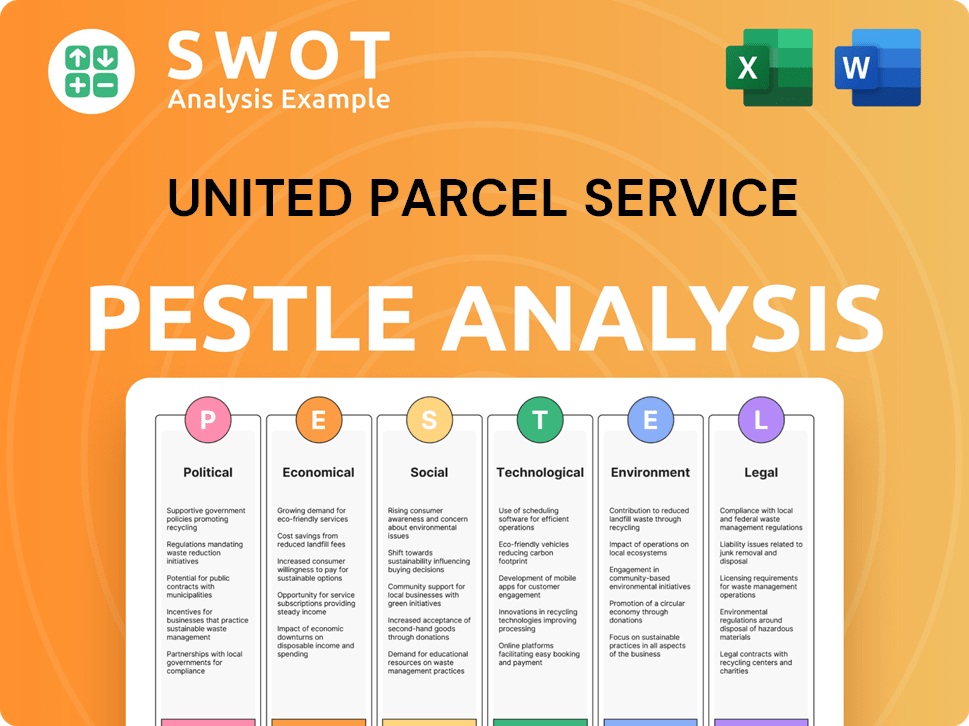
United Parcel Service PESTLE Analysis
- Covers All 6 PESTLE Categories
- No Research Needed – Save Hours of Work
- Built by Experts, Trusted by Consultants
- Instant Download, Ready to Use
- 100% Editable, Fully Customizable
How Is United Parcel Service Positioned in the Market?
The brand positioning of United Parcel Service (UPS) centers on reliability, efficiency, and global reach, establishing itself as a crucial element in global commerce. Its iconic brown color scheme immediately signifies dependability and professionalism, recognized worldwide as a symbol of logistics excellence. The core message, 'Synchronizing the World of Commerce,' emphasizes its role in connecting businesses and consumers globally, streamlining complex supply chains.
This message extends beyond simple package delivery, encompassing a wide array of services, including freight, contract logistics, and customs brokerage, all designed to facilitate international trade. The visual identity, from the distinctive brown uniforms to the package cars, reinforces this message of consistency, efficiency, and trust. Communications are typically professional, confident, and customer-focused to build confidence and ensure seamless service. UPS's target audience is reached through its extensive network, advanced technology, and commitment to timely and secure delivery.
UPS competes on value and efficiency while differentiating itself through comprehensive solutions and the ability to manage complex logistics challenges for businesses of all sizes. UPS's approach to customer relationship management (CRM) is crucial for maintaining its competitive advantage. The company uses CRM systems to manage customer interactions, track shipments, and provide personalized service, enhancing customer loyalty and satisfaction. This is a key aspect of their Growth Strategy of United Parcel Service.
UPS Sales Strategy
The UPS sales strategy focuses on providing comprehensive logistics solutions to businesses of all sizes. This includes offering a wide range of services like express delivery, freight transportation, and supply chain management. Their sales teams are trained to understand customer needs and offer tailored solutions.
UPS Marketing Strategy
The UPS marketing strategy emphasizes brand consistency and customer-centric communication. They use digital marketing, advertising, and public relations to build brand awareness and promote their services. UPS also leverages social media for customer engagement and to share updates on its services.
UPS Business Model
The UPS business model is built on an integrated network of transportation and logistics services. It includes a global network of aircraft, vehicles, and facilities. The company generates revenue through package delivery, freight services, and supply chain solutions.
UPS Competitive Advantage
UPS's competitive advantage stems from its extensive global network, advanced technology, and reliable service. They also benefit from strong brand recognition and customer trust. Their focus on innovation and sustainability further enhances their market position.
UPS Market Analysis
UPS conducts regular market analysis to understand industry trends and customer needs. This involves monitoring competitor activities, assessing market demand, and identifying growth opportunities. The company's market analysis informs its strategic decisions and helps it stay competitive.
- In 2024, the global logistics market was valued at approximately $10.6 trillion.
- E-commerce continues to be a significant driver of growth for UPS, with online retail sales increasing.
- UPS faces competition from other major logistics providers like FedEx and DHL.
- Technological advancements, such as automation and AI, are transforming the logistics industry.
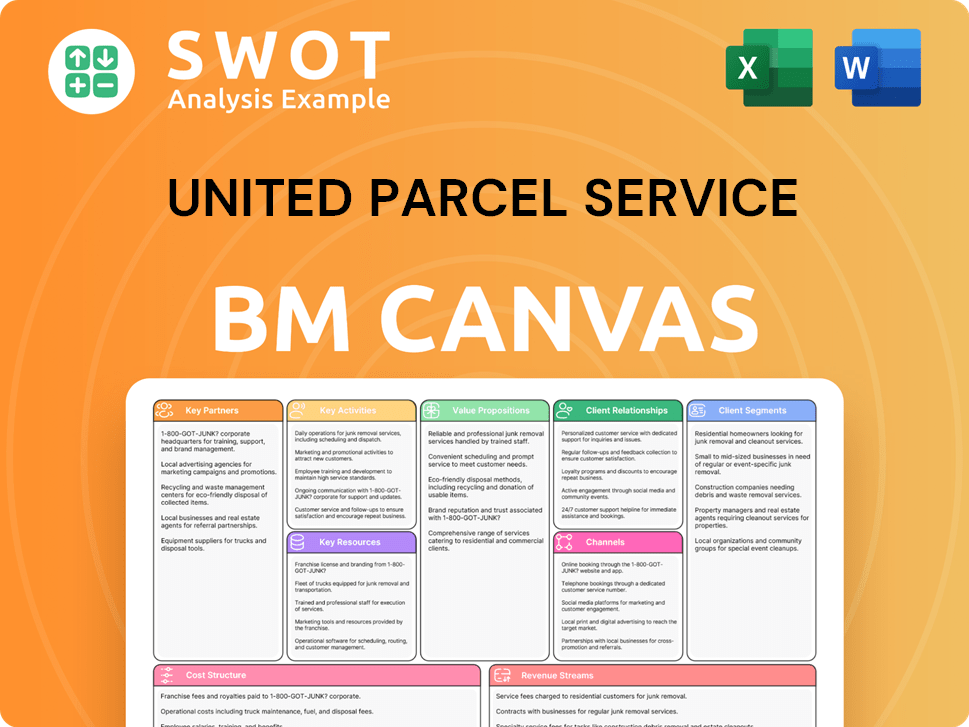
United Parcel Service Business Model Canvas
- Complete 9-Block Business Model Canvas
- Effortlessly Communicate Your Business Strategy
- Investor-Ready BMC Format
- 100% Editable and Customizable
- Clear and Structured Layout
What Are United Parcel Service’s Most Notable Campaigns?
The sales and marketing strategies of United Parcel Service (UPS) have been pivotal in shaping its brand and driving growth. These strategies have evolved over time, reflecting changes in market dynamics and strategic priorities. Key campaigns have played a significant role in communicating UPS's value proposition and expanding its service offerings. Understanding these campaigns provides insight into how UPS has maintained its competitive advantage and adapted to the changing needs of its customers.
UPS's approach to marketing is multifaceted, utilizing a blend of traditional and digital channels to reach its target audience. The company focuses on building brand awareness, acquiring new customers, and retaining existing ones. UPS's success is also driven by its commitment to innovation, sustainability, and customer-centric solutions. The company's marketing efforts are designed to highlight these aspects, reinforcing its position as a leading logistics provider.
UPS's marketing strategy is supported by a robust sales strategy that focuses on building relationships with clients and providing tailored solutions. This involves understanding customer needs, offering competitive pricing, and ensuring reliable service. The sales team works closely with the marketing team to align messaging and campaigns, ensuring a consistent brand experience. The company's sales and marketing efforts are critical to its continued success in a competitive market.
'What Can Brown Do For You?' Campaign
This long-running campaign showcased the breadth of UPS's services beyond package delivery. It highlighted supply chain management, freight, and international shipping capabilities. Utilizing TV, print, and digital channels, this campaign expanded the perception of UPS as a comprehensive logistics partner. The campaign significantly increased awareness of UPS's diversified services and strengthened engagement with business clients.
'Support Small Businesses' Campaigns
These campaigns focus on supporting small and medium-sized businesses (SMBs) and e-commerce. They offer tailored solutions for online retailers and often feature real-life testimonials from SMB owners. Primarily executed through digital channels, these campaigns aim to drive new account sign-ups and increase shipping volume from SMBs. This approach is crucial for Growth Strategy of United Parcel Service.
Sustainability Initiatives
Campaigns highlighting UPS's investment in electric vehicles, sustainable packaging, and carbon-neutral shipping aim to appeal to environmentally conscious consumers and businesses. These campaigns often involve collaborations with environmental organizations and are promoted through various media, including corporate social responsibility reports and digital content. UPS aims to achieve 50% of its small package deliveries by alternative fuel and advanced technology vehicles by 2035.
Digital Marketing Campaigns
UPS leverages digital marketing extensively, including targeted online advertising, social media marketing, and email campaigns. These campaigns utilize data analytics to reach specific business demographics and promote services like e-commerce solutions. The digital strategy is designed to drive customer engagement, generate leads, and facilitate online transactions, contributing significantly to UPS's sales performance analysis.
Key Channels
UPS utilizes a mix of channels, including TV, print, digital, and social media. Digital channels are increasingly important for reaching SMBs and e-commerce businesses. Traditional media supports brand awareness, while digital platforms facilitate targeted advertising and customer engagement.
Target Audience
UPS's target market includes large corporations, SMBs, and individual consumers. Specific campaigns target SMBs and e-commerce businesses, offering tailored solutions. The company focuses on understanding the needs of each segment to provide relevant services and build strong customer relationships.
Competitive Advantage
UPS's competitive advantage lies in its comprehensive logistics solutions, global network, and brand reputation. It differentiates itself through reliable service, advanced technology, and a focus on sustainability. These factors contribute to its strong market position.
Data and Analytics
UPS leverages data and analytics to optimize its marketing efforts and sales strategies. It uses data to target specific customer segments, personalize messaging, and measure campaign effectiveness. This data-driven approach allows UPS to refine its strategies continually.
Customer Relationship Management
UPS focuses on building strong customer relationships through personalized service and proactive communication. The company uses CRM systems to manage customer interactions and provide tailored solutions. This approach enhances customer loyalty and drives repeat business.
Sustainability Focus
UPS's commitment to sustainability is a key element of its marketing strategy. Campaigns highlight investments in electric vehicles, sustainable packaging, and carbon-neutral shipping options. This focus aligns with growing consumer demand for environmentally friendly practices and enhances the brand image.
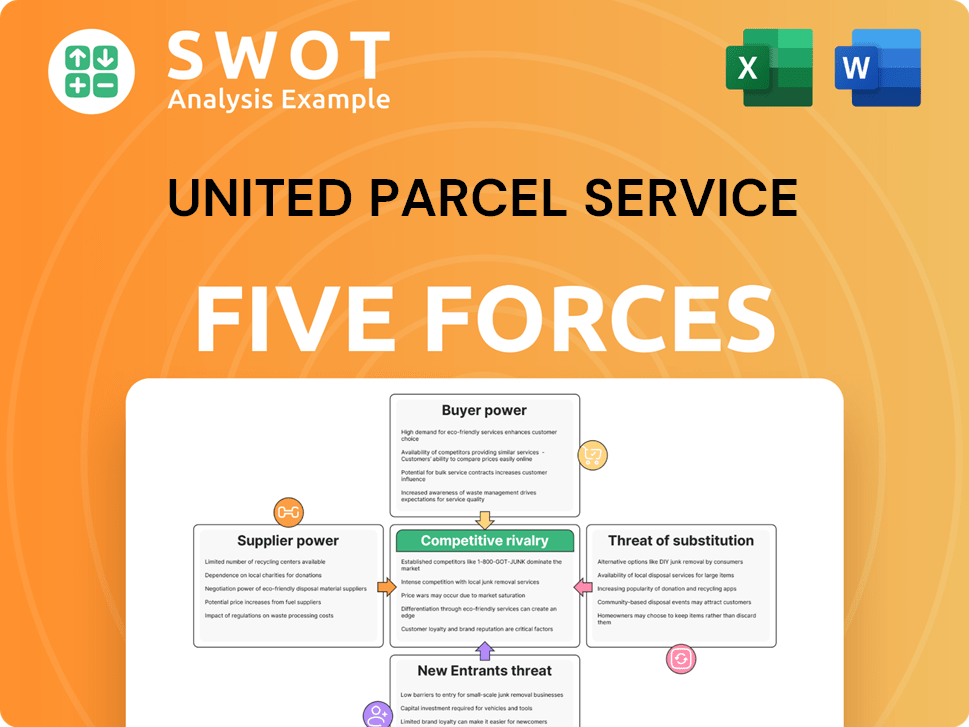
United Parcel Service Porter's Five Forces Analysis
- Covers All 5 Competitive Forces in Detail
- Structured for Consultants, Students, and Founders
- 100% Editable in Microsoft Word & Excel
- Instant Digital Download – Use Immediately
- Compatible with Mac & PC – Fully Unlocked
Related Blogs

- What are Mission Vision & Core Values of United Parcel Service Company?
- What is Competitive Landscape of United Parcel Service Company?
- What is Growth Strategy and Future Prospects of United Parcel Service Company?
- How Does United Parcel Service Company Work?
- What is Brief History of United Parcel Service Company?
- Who Owns United Parcel Service Company?
- What is Customer Demographics and Target Market of United Parcel Service Company?
Disclaimer
All information, articles, and product details provided on this website are for general informational and educational purposes only. We do not claim any ownership over, nor do we intend to infringe upon, any trademarks, copyrights, logos, brand names, or other intellectual property mentioned or depicted on this site. Such intellectual property remains the property of its respective owners, and any references here are made solely for identification or informational purposes, without implying any affiliation, endorsement, or partnership.
We make no representations or warranties, express or implied, regarding the accuracy, completeness, or suitability of any content or products presented. Nothing on this website should be construed as legal, tax, investment, financial, medical, or other professional advice. In addition, no part of this site—including articles or product references—constitutes a solicitation, recommendation, endorsement, advertisement, or offer to buy or sell any securities, franchises, or other financial instruments, particularly in jurisdictions where such activity would be unlawful.
All content is of a general nature and may not address the specific circumstances of any individual or entity. It is not a substitute for professional advice or services. Any actions you take based on the information provided here are strictly at your own risk. You accept full responsibility for any decisions or outcomes arising from your use of this website and agree to release us from any liability in connection with your use of, or reliance upon, the content or products found herein.